



When people think about tourism development, they often think about destinations. They think about beaches, hotels, infrastructure, visitor numbers, and investment capital. Yet after more than a decade of living and working in Indonesia, I have come to believe that one of the country’s most valuable tourism assets is something far less visible.
Relationships
As Indonesia continues to evolve from a tourism destination into a tourism ecosystem, relationship capital is becoming increasingly important. In many ways, it may prove to be one of the country’s greatest competitive advantages.
Indonesia is home to extraordinary tourism assets spread across 17,500+ islands. From Bali and Lombok to Labuan Bajo, Raja Ampat, North Sulawesi, and countless emerging destinations, the opportunities are substantial. But destinations alone do not create sustainable tourism ecosystems.
People do.
Investors, operators, government stakeholders, community leaders, cultural custodians, educators, hospitality professionals, and entrepreneurs all play a role. The ability to align these stakeholders around a shared vision often determines whether projects succeed or struggle.
The Indonesian Context
Indonesia remains fundamentally relationship-driven. While commercial frameworks, regulations, and investment structures are important, trust continues to play a significant role in how opportunities emerge and evolve. Many successful partnerships begin not with contracts, but with conversations. Not with transactions, but introductions. Not with strategy decks, but relationships built over time.
For international stakeholders entering Indonesia, understanding this dynamic is essential. Relationship capital is not a substitute for professionalism. It is the foundation upon which long-term collaboration is often built.
Why This Matters for Tourism
As Indonesia’s tourism ambitions expand beyond traditional destinations, the complexity of development increases.
Tourism today intersects with:
• hospitality
• infrastructure
• education
• sustainability
• wellness
• community development
• investment
No single stakeholder can deliver these outcomes alone. The future increasingly belongs to ecosystems rather than individual organisations. And ecosystems require trust.
The Role of Connectors
This is where ecosystem builders become increasingly important. Individuals and organisations capable of connecting investors, operators, communities, institutions, and government stakeholders help reduce friction and accelerate collaboration.
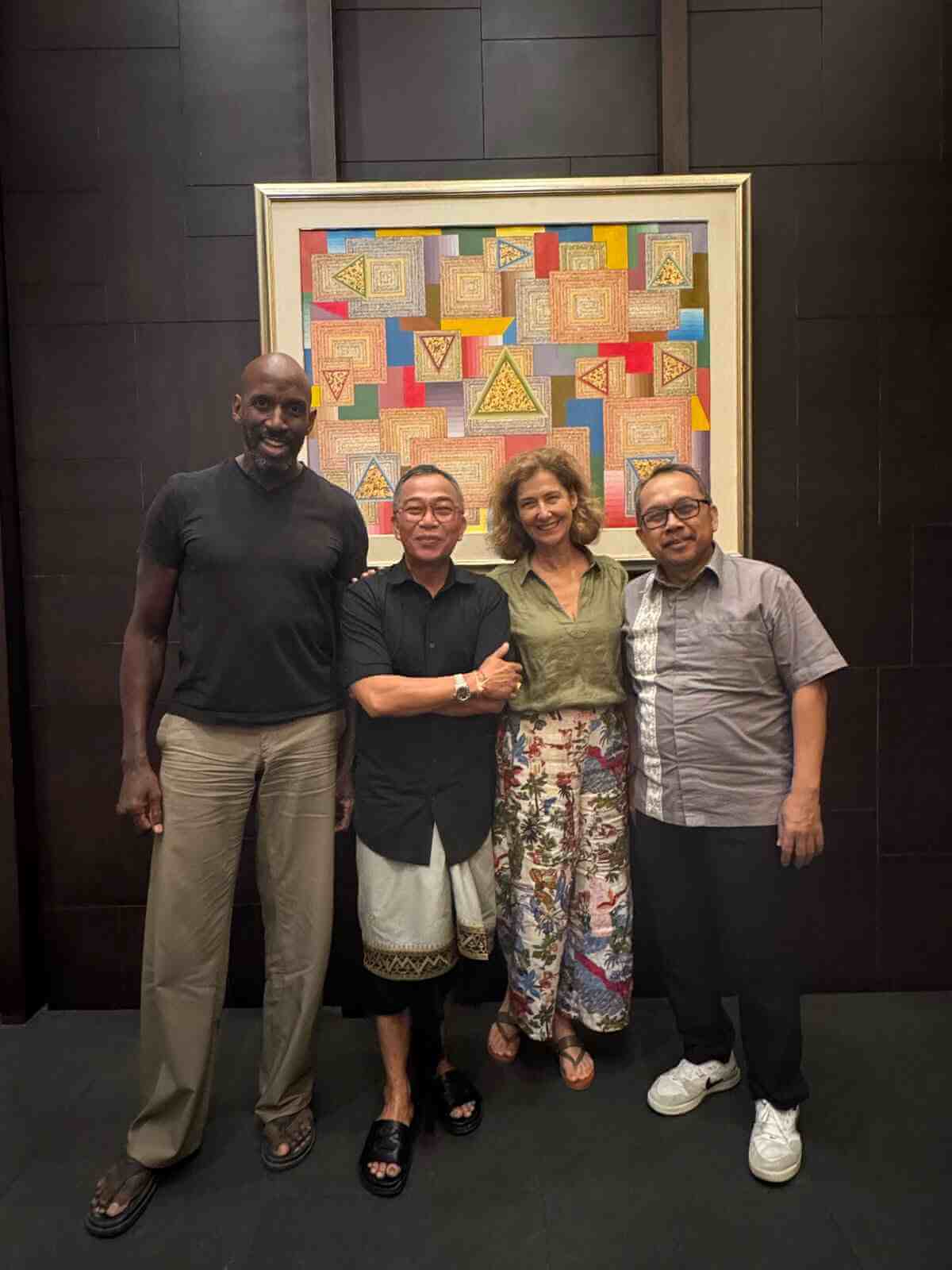
One example is the Bali Tourism & Investment Chamber (BTIC), which I co-founded alongside fellow stakeholders who recognised the need for stronger dialogue between tourism, business, investment, and community sectors.
The objective was never simply networking. It was alignment. Because meaningful partnerships rarely emerge in isolation. They emerge through trusted environments where people can exchange ideas, build understanding, and identify mutual opportunities.
Relationship Capital as a Competitive Advantage
Globally, destinations often compete through infrastructure, incentives, or visitor volume. Indonesia possesses something additional. A culture that values relationships. A business environment where trust still matters. And communities that often prioritise long-term partnership over short-term gain. When approached respectfully, this creates extraordinary opportunities for collaboration.

Looking Ahead
Indonesia’s next tourism chapter will likely be defined by more than destinations. It will be shaped by the quality of partnerships that support those destinations. As tourism continues to evolve into a broader ecosystem involving government, private sector, communities, and international stakeholders, relationship capital becomes increasingly valuable. Because ultimately, tourism is not just about places. It is about people. And people move at the speed of trust.
Conclusion
The future of Indonesian tourism will not be built solely through infrastructure, investment, or marketing. It will be built through relationships. The stakeholders capable of creating trust, alignment, and meaningful collaboration will play an increasingly important role in shaping what comes next. In that sense, relationship capital may become Indonesia’s most valuable tourism asset of all.
Website: www.robertianbonnick.com
PT Karya Lyfe Group – Gateway To Indonesia

RiB & Associates | SpeakuP Monday – Destination Indonesia #1 Entrepreneurship & Social Impact TalkShow | Tourism Architect – Co Building Legacy
Strategy | Connector | Market Access | Cultural Integration | Business Growth | Private Public Partnerships