



Around the world, hospitality is undergoing a quiet transformation. For decades, success was often measured through scale, efficiency, and transaction volume. Venues competed on size, pricing, and operational output.
But consumer expectations are changing. People are increasingly seeking experiences that feel immersive, emotionally engaging, and connected to identity. Hospitality is no longer simply about service. It is about how people feel.
The Shift From Consumption to Experience
This shift is visible across global hospitality markets. Restaurants are becoming social environments. Hotels are becoming lifestyle communities. Venues are blending wellness, music, design, culture, and entertainment into unified experiences.
The distinction between hospitality, culture, and lifestyle is becoming increasingly blurred. People are not simply purchasing food, drinks, or accommodation. They are participating in environments.
The Role of Atmosphere
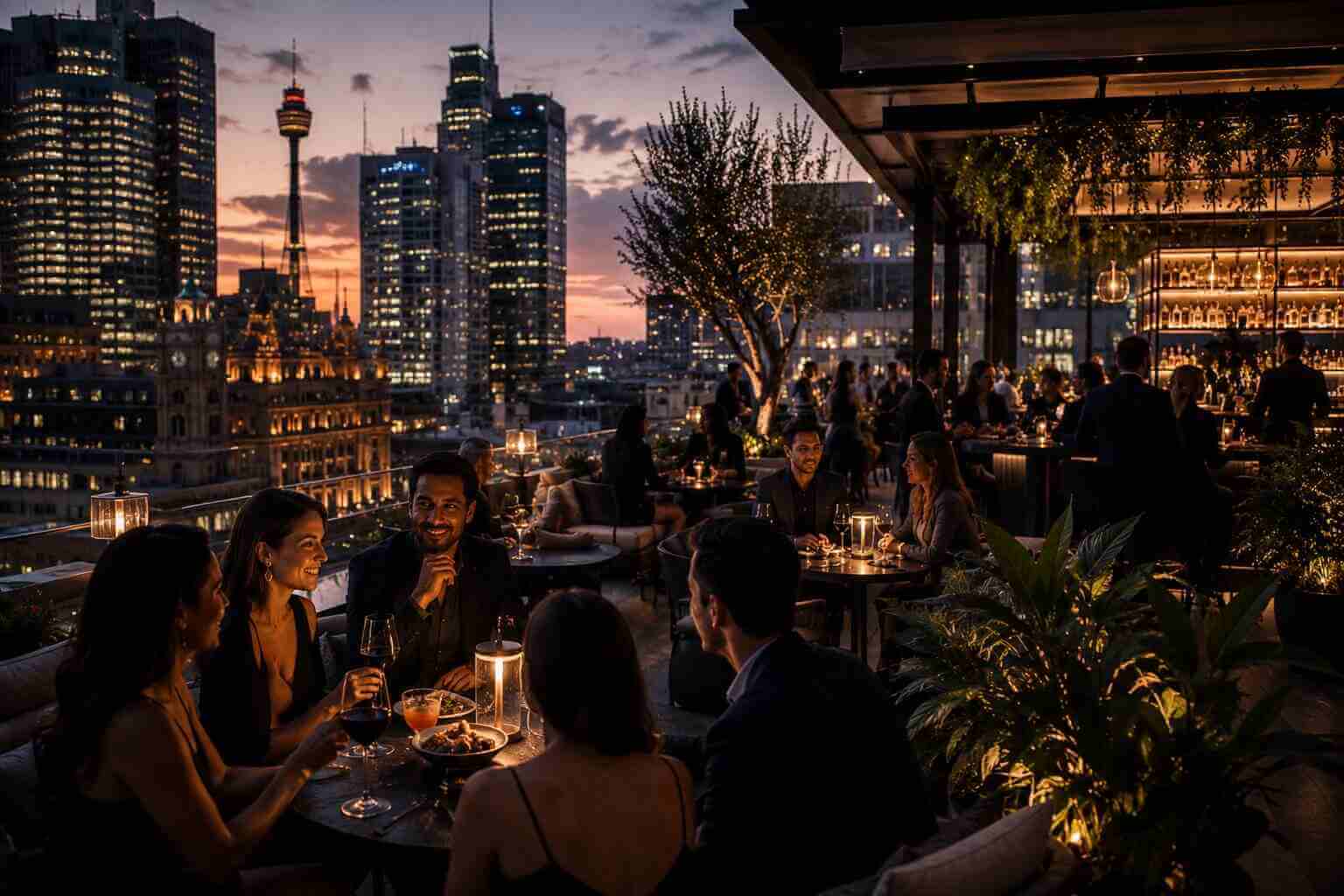
Atmosphere has become one of the most valuable currencies in modern hospitality. Design matters. Music matters. Energy matters. Consumers increasingly remember how a place made them feel more than what they consumed within it. This emotional memory creates loyalty in ways traditional marketing often cannot.
Why This Matters Now
The global hospitality industry has become highly competitive. In many cities, quality food and strong service are now expected rather than exceptional. What differentiates environments increasingly comes down to emotional experience and identity. Venues that create community, cultural relevance, and memorable atmosphere tend to outperform purely transactional models over time.
Sydney, Bali, and the Experience Economy
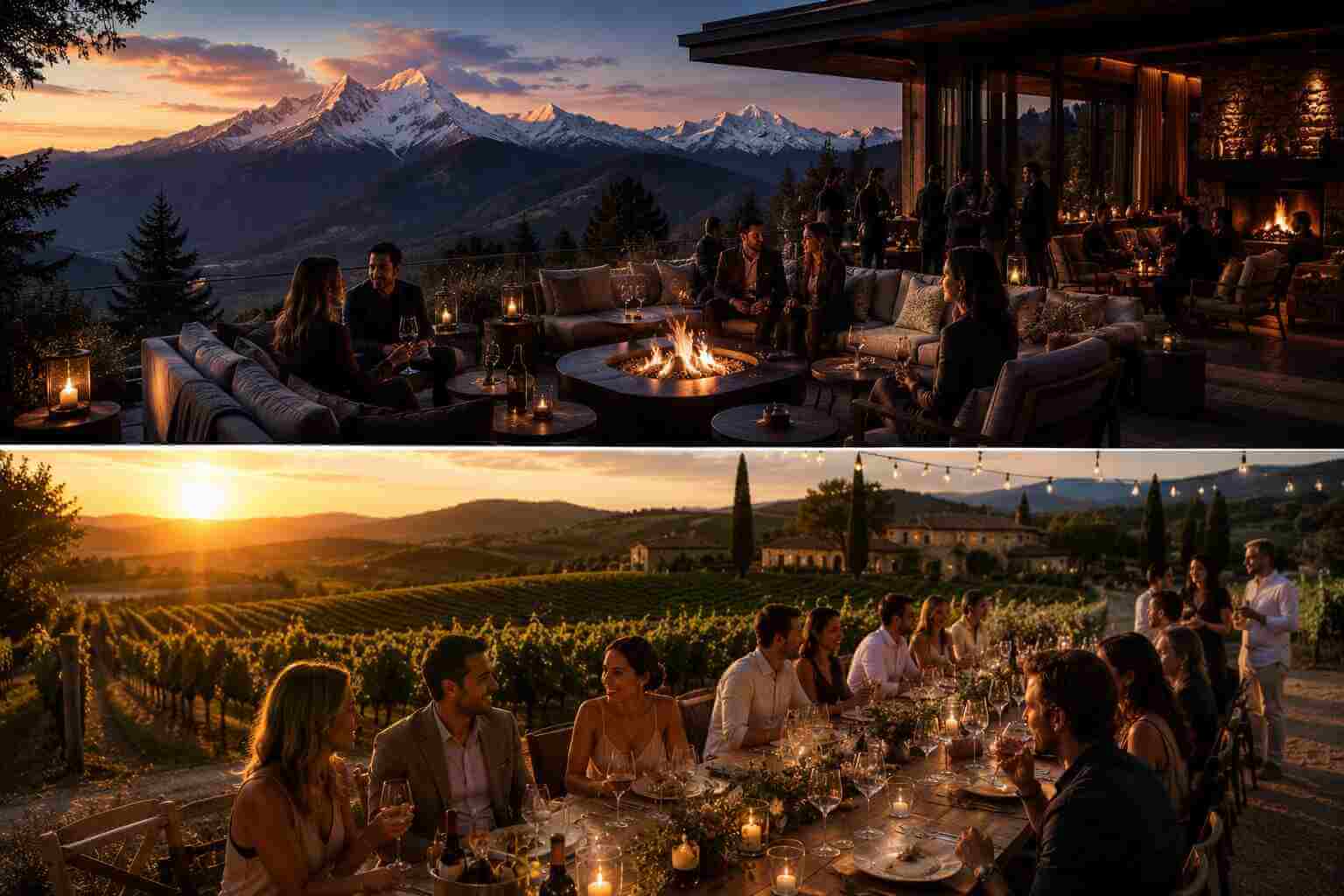
Cities like Sydney and destinations like Bali offer interesting examples of this evolution. Sydney demonstrates the growing sophistication of integrated hospitality ecosystems. Bali demonstrates the global demand for emotionally immersive environments. Together, they reflect the direction hospitality is moving globally. Toward experiences that feel connected, intentional, and human.
Hospitality as Cultural Expression
Increasingly, hospitality is also functioning as a form of cultural expression. Spaces communicate values. They shape social interaction, creative collaboration, and even lifestyle identity.
This is why hospitality now intersects with:
• wellness
• music
• art
• design
• community
• culture
The industry is becoming multidimensional.
Conclusion
Experience-led hospitality is no longer a niche concept. It is becoming the global standard. As people seek deeper forms of connection and engagement, hospitality environments that combine atmosphere, culture, community, and operational excellence will continue to grow in relevance. Because increasingly, people are not simply searching for places to go. They are searching for places that mean something.
Website: www.robertianbonnick.com
PT Karya Lyfe Group – Gateway To Indonesia

RiB & Associates | SpeakuP Monday – Destination Indonesia #1 Entrepreneurship & Social Impact TalkShow | Tourism Architect – Co Building Legacy
Strategy | Connector | Market Access | Cultural Integration | Business Growth | Private Public Partnerships