




Every year, people arrive in Bali hoping to begin a new chapter. Some come for a break from demanding careers, while others relocate to build businesses, raise families, join wellness communities, develop creative projects, or explore a different way of living.
The island offers a strong sense of possibility. Relationships can form quickly, ideas move across industries, and newcomers often meet others who have also chosen to step outside familiar environments. However, arriving in Bali and building a life here are not the same as becoming part of its community.
Belonging cannot be created through a visa, property, social calendar, or the number of local contacts stored in a phone. It develops gradually through participation, curiosity, contribution, respect, and the way a person behaves over time.
Newcomers naturally begin with practical questions. Where should they live? Which communities should they join? What events should they attend? Who should they meet? What opportunities are available?
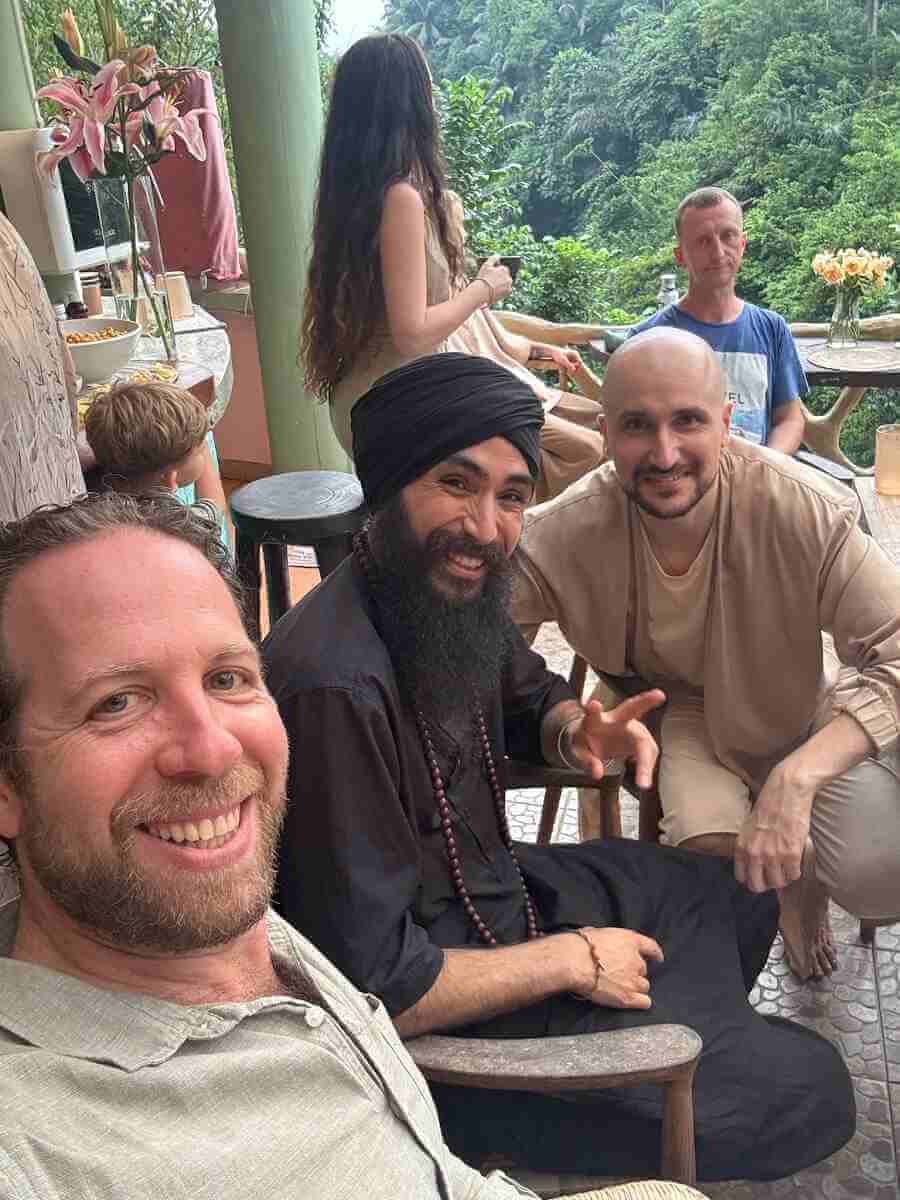
These questions are understandable, but they focus mainly on what the island may provide. A more meaningful beginning may come from asking what can be learned and contributed.
Who is already serving the community? What local initiatives deserve support? Which cultural customs require greater understanding? What challenges may not be immediately visible to someone who has recently arrived? How can personal skills, experience, or resources contribute without overlooking the work already being done?
Bali attracts experienced entrepreneurs, coaches, artists, consultants, wellness practitioners, investors, and hospitality leaders. Many arrive with impressive achievements from elsewhere. Yet previous success does not automatically create local trust.
A new community may know very little about someone’s history. It does not necessarily know what that person has built, whom they have worked with, or what knowledge they carry. Recognition often needs to be rebuilt through consistent action.
This can be uncomfortable, particularly for people accustomed to authority or visibility elsewhere. The instinct may be to explain credentials, introduce solutions quickly, or assume that experience from another market can be applied directly.
However, a community does not owe a newcomer immediate recognition. Trust develops when people listen before leading, follow through on promises, respect local knowledge, and remain present after the excitement of arrival has faded.
There is a useful distinction here between managing an environment and learning how to respond to it. One reflection describes this shift as becoming “more of a leader and less of a manager.” A manager may try to control every detail, while a leader learns to listen to the environment, notice what is emerging, and respond to the people and energy around them.

Having rebuilt my life and network across several countries, I have learned that every move requires much more than finding accommodation and establishing professional contacts. It requires rebuilding relationships, understanding new cultural expectations, and discovering how to become useful in an unfamiliar environment.
Each culture develops trust differently. Some communities value direct communication, while others place greater importance on time and observation. In some places, professional credibility opens the first door. In others, relationships grow through shared meals, family connections, repeated participation, and personal recommendations.
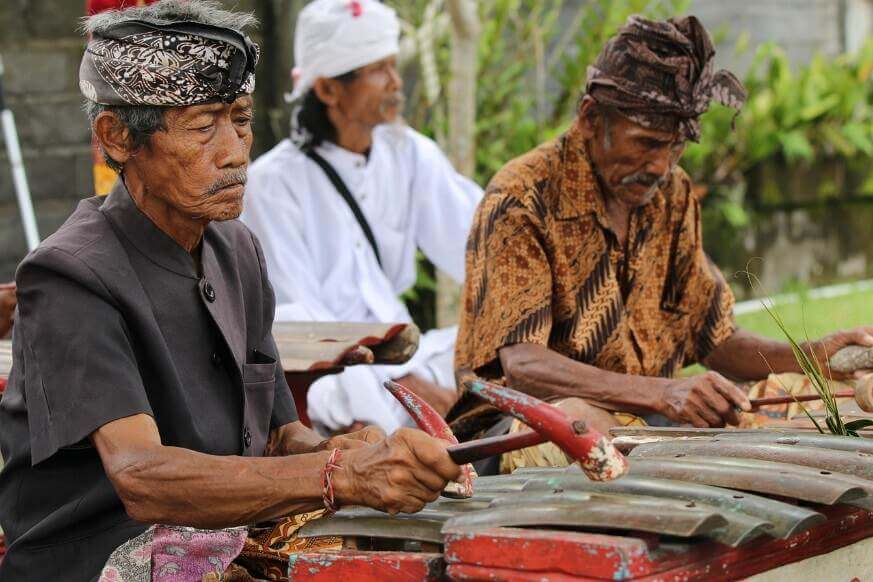
Bali contains many of these approaches at once. The island includes local communities with deep historical and cultural ties, long-term international residents, entrepreneurs establishing permanent businesses, digital nomads staying for several months, and visitors passing through briefly.
Within this environment, visibility can easily be mistaken for belonging. A person may attend every major event and remain disconnected from the communities around them. Another may have limited public visibility but spend years supporting local organisations, families, businesses, and community initiatives. The quieter contribution may ultimately create deeper trust.
Belonging is revealed through behaviour. Do people follow up after meeting? Do they remember what others are working on? Do they offer support when there is no immediate commercial benefit? Do they take responsibility when misunderstandings happen? Do they continue showing up after the initial enthusiasm disappears?
These actions may appear small, but they gradually shape reputation.
Reconnection is especially important in Bali, where networks change quickly. People often meet at a retreat, conference, café, dinner, or community gathering and promise to stay connected. Yet communication may stop until someone needs an introduction, recommendation, or favour.
A relationship becomes stronger when contact is maintained without an immediate request. A thoughtful message, an invitation to a relevant event, a useful introduction, or a simple acknowledgement of another person’s progress can strengthen trust over time.
This is where a broader understanding of networking becomes useful. Networking does not need to be limited to business cards, events, or professional exchange. It can be understood as the ongoing movement of attention, communication, trust, and relationship. In that sense, the question is not only whether people are connecting, but how intentionally they are doing it.
Contribution does not need to be dramatic. Newcomers do not need significant wealth, influence, or a large platform to participate meaningfully. They can volunteer, share local initiatives, support independent businesses, listen to community concerns, introduce useful people, and welcome others who arrive after them.
Learning is another form of contribution. Bali is often presented internationally as a destination for personal freedom and reinvention, but it is also an island shaped by living traditions, community responsibilities, and spiritual practices. Respectful participation requires more than appreciating visible beauty. It requires an interest in the context behind it.
Living in Bali also makes one lesson difficult to ignore: human schedules are not the only schedules that matter. The rain changes plans. Ceremonies affect the movement of roads and communities. Nature remains present rather than disappearing into the background. These rhythms encourage a different relationship with time, attention, and control.
Patience is equally important. Bali’s creative and entrepreneurial environment can make everything feel immediately possible. Partnerships may form quickly, and ambitious projects may appear ready to launch after only a few conversations. Yet meaningful relationships cannot always move at the speed of ambition.
Some communities need time to observe whether a person will remain engaged. Some collaborations require several discussions before responsibilities become clear. Some ideas need to be adjusted after local perspectives are considered. Slowing down can prevent misunderstanding and support more respectful partnerships.
Nature offers a useful parallel. Healthy ecosystems do not depend on one element controlling everything around it. They survive through relationships that are often invisible: roots, water, soil, air, growth, decay, and renewal. Human communities are not so different. People contribute at different times and in different ways, and trust strengthens when value continues to circulate rather than being immediately extracted.
A strong network provides a soft landing. It does not simply offer introductions or opportunities. It helps people understand cultural sensitivities, avoid preventable mistakes, recognise where they can contribute, and identify when they should wait.
People who ask only what Bali can provide may enjoy the island without ever becoming part of it. Those who remain curious, contribute consistently, respect existing communities, and nurture relationships are more likely to experience a deeper form of belonging.
Perhaps the deeper practice is simply to become “available.”
Available to the environment.
Available to another person.
Available to a new perspective.
Available to the possibility that connection does not always need to be productive to be valuable.
Home is not created only by the place where someone lives. It is also created through the relationships they care for, the trust they earn, and the responsibility they accept toward the people and environment around them.
Are you living in Bali, or are you becoming part of Bali?