




Bali is known for its beautiful beaches, lively culture, and extensive history. But did you know that there are also an increasing number of wineries in Bali? Yes, Bali is quickly developing into a destination for both wine fans and experts. This article will examine Bali’s vineyards in more detail and discuss what makes them special.
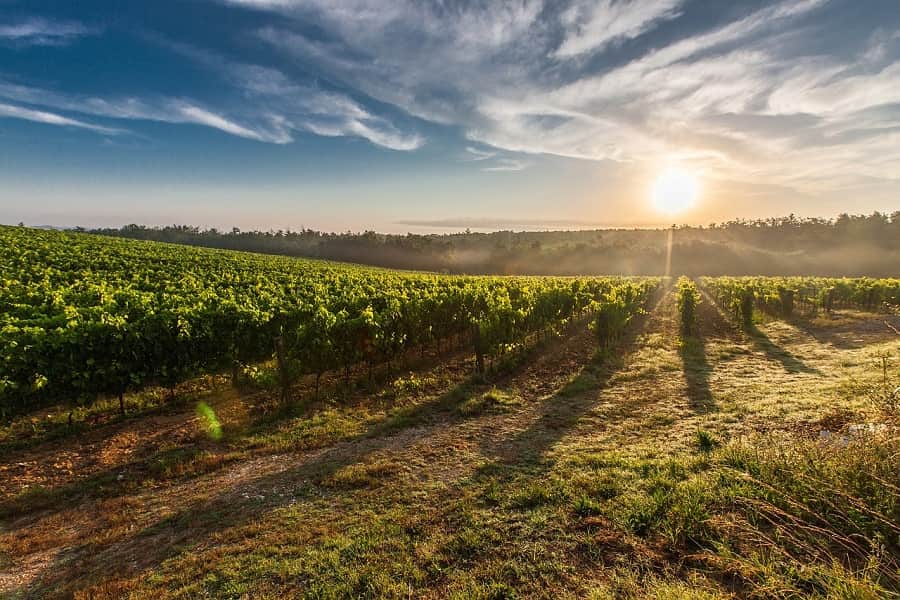
First off, given Bali’s well-known warm and humid climate, you might be asking how wine production is even conceivable there. It turns out that Bali’s unique geography and microclimates create ideal conditions for growing grapes. Many of Bali’s vineyards are located in the island’s highlands, where the cooler temperatures and higher elevations provide the perfect environment for grape cultivation. In addition, the volcanic soil in Bali is highly fertile and nutrient-rich, which further enhances the quality of the grapes.


Hatten Wines, a vineyard in Singaraja, the northern area of Bali, is one of the most well-known on the island. The largest winery in Bali, Hatten Wines was founded in 1994 and now produces more than 500,000 bottles of wine annually. The Alphonse-Lavallee grape, a hybrid that was created especially for Bali’s particular environment, is the winery’s trademark grape variety.

The Sababay Winery, which is situated in Gianyar, is another well-known Bali vineyard. The 2009-founded Sababay Winery is renowned for its award-winning wines, which are produced utilizing both conventional and cutting-edge winemaking methods. The vines of Sababay Winery are situated in Bali’s mountains, allowing the grapes to ripen gradually and provide diverse flavours.
But Bali’s vineyards are special not only for the quality of the grapes they produce but also for the breathtaking environment and cultural experiences they provide. Much of Bali’s vineyards are found in rural settings, encircled by luxuriant vegetation and rice fields. Wine tastings can be enjoyed while admiring the wonderful views of the surrounding countryside at these vineyards.
Bali’s vineyards also present a singular chance to discover the island’s rich cultural heritage. Several wineries provide tours and tastings that incorporate cultural activities like traditional Balinese dance performances or excursions to nearby temples. Through these activities, tourists may learn more about Bali’s rich culture and traditions while also savouring some of the island’s best wines.
It goes without saying that no study about Bali’s vineyards would be complete without noting the distinctive tastes of the wines themselves. Wines from Bali have a particular tropical flavour with notes of citrus, pineapple, and other tropical fruits because of the island’s warm and humid climate. The spicy and savoury cuisine of the island, which is renowned for its use of regional ingredients and conventional cooking methods, pairs perfectly with these qualities in Bali’s wines.
Finally, Bali’s vineyards are a monument to the island’s distinctive terrain, rich culture, and commitment to producing high-quality wine. A trip to Bali’s vineyards is sure to please the senses and give you a greater respect for this tropical paradise, whether you’re a wine aficionado or just seeking out a distinctive cultural experience. So why not plan a visit to Bali’s vineyards on your next trip to this enchanting island? You won’t be disappointed!