





Northern Bali is loaded with its very own attractions. Specifically, it is described by the nearness of seaside exchanging towns with a solid Dutch pioneer contact, adding an extraordinary climate to any explorer’s agenda. In this way, while Northern Bali might not have the appeal of the sun, sand and ocean, its other verifiable destinations may warrant a visit to supply you with a new insight into Bali.
On the off chance that you happen to be on the north side of the island, you should need to make a snappy stop at Ponjok Batu Temple, a fairly little temple of critical recorded esteem. The temple is effortlessly available from Singaraja, around 24 kilometres or 45 minutes away. Situated in Pacung Village, Tejakula region, Buleleng, this stone Hindu temple traverses a zone of around 35 sections of land. The region encompassing the sanctuary is a projection containing stones and Frangipani trees. The perspectives of the Java ocean and the slopes will likewise devour your eyes.

Ponjok Batu Temple was believed to be built somewhere in the range of 1460 and 1550 amid the rule of the Kingdom of Dalem Gelgel, Sri Waturenggong. Around then, the whole island of Bali was asserted to require security from abhorrent spirits. Enchanted stories and archaeological discoveries appear to recount a story rotating around priest Dang Hyang Nirartha, whom the temple respects today.
Legend has it that in the year 1489, priest Dang Hyang Nirartha touched base in Bali and settled in Gelgel. He chose to investigate the northern shoreline of Bali sooner or later there. At some point, he happened to see a vessel washed aground with its pole broken and screen torn. The group on board (an aggregate of 7 individuals) ended up oblivious. In any case, with his profound power, he mystically mended the casualties of the watercraft fiasco, sparing their lives and rendering them cognizant once more. The next day, they woke up all well and sound.
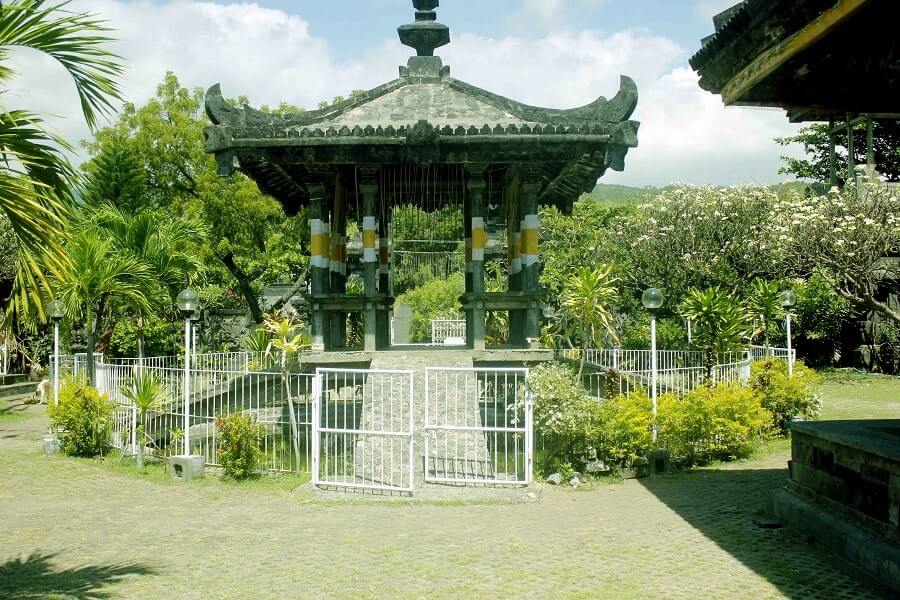
Priest Nirartha at that point cruised to Lombok after some discourse with the watercraft group. After his take-off for Lombok, various marvels happened in Tanjung, drawing in the consideration of local people. Local people around then chose to adore priest Nirartha and therefore assembled this temple, getting by until the point when this day had been re-established a couple of times. The Balinese expressions of the temple “Ponjok Batu”, a stone projection in the English variant. The temple was relevantly named accordingly on the grounds that this is the area in which it is arranged.
Ponjok Batu Temple isn’t as photogenic as the vast majority of temples in Bali. However, its setting and design are interesting and appealing. It is one of those uncommon temples to be along the ocean shore, bearing perspectives of the shoreline and the ocean, prompting a feeling of peace in visitors. Additionally, the entire building is unmistakably made of regular (dark) stones, representative of immaculateness, which makes it a fascinating archaeological landmark for visiting. Also, notwithstanding the temple’s little size, there are 20 holy places altogether in the entire temple, each adoring an alternate individual with the principal figure of love being is the priest Dang Hyang Nirartha.
As in many temples, this temple is still typically swarmed with local people for worship. The local community believed that worshipping in the temple in this temple is for salvation or blessing purposes. To the local Hindus, they consider it to be a position of purification (Melukat). How they define themselves is by washing water from the spring in the face and in the head and after that drinking it. Also, worshipping in this temple, as indicated by Hindus, summons security.
On certain days when there is a celebration known as Piodalan, the crowd has a tendency to be significantly bigger. You will get the chance to appreciate the Balinese dances organised to help the course of religious services. Aside from watching or taking part in the typical love or the celebration, in the event that you happen to be available on the right day, another key fascination would be the 500-year-old holy boat sitting on the beach. This shrine is apparently put where the primary priest is said to have set foot on Bali.
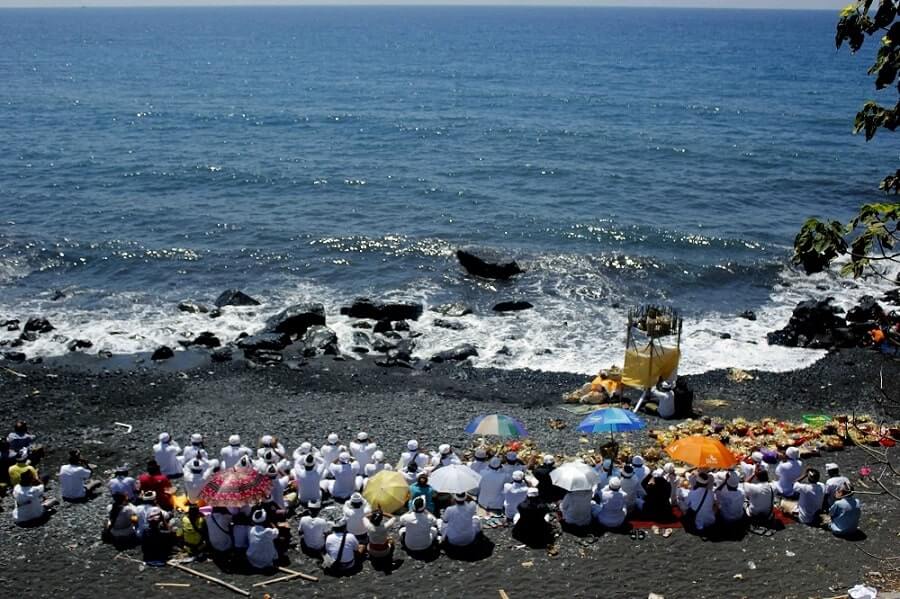
My chance spent at Ponjok Batu Temple was well justified, despite all the trouble. Although a special dress must be worn by visitors (which will be given) the engineering and setting of the temple are unparalleled. In the event that you require a speedy nibble, there are some local ‘warungs’ just around the corner. The entrance fee is set by donation of an amount that you decide. A guide is unequivocally suggested, despite the fact that not required. You would need to pay an extra sum for the guide. Similar to any temple, it is best to visit this one early in the day or early evening when the greater part of the activity is occurring, except if you are here for a sunset moment.
A visit to Ponjok Batu Temple will give you a perfect insight into Bali, and at the same time enrich you with what our ancestors had passed down ages ago as well as imbue you with the significance of cultural heritage.