




Bali’s café culture has become just as iconic as its beaches. Every day, co-working spaces fill with remote workers, influencers capture content in picturesque locations, and travellers share every corner of the island across social media. It’s a lifestyle that has helped shape Bali into one of the world’s most popular destinations for digital nomads. But as that trend continues to grow, so does the spotlight on how foreign visitors are using their visas.
To strengthen immigration enforcement, the Dharma Dewata Immigration Patrol Task Force is now carrying out regular inspections at cafés, co-working spaces, beaches, and other popular hotspots. In just the first few weeks of the operation, 62 foreign nationals were detained for alleged visa violations, highlighting Bali’s tougher approach to visa misuse and illegal working activities.

One of the biggest misunderstandings is that unpaid collaborations are automatically allowed. In reality, receiving free accommodation, meals, products, or services in exchange for creating content can still be classed as commercial work under Indonesian immigration rules if the correct visa isn’t held. As Bali continues to balance tourism with stronger regulation, the message is becoming increasingly clear: enjoying the island is welcome, but understanding and following the right visa rules is just as important.
The Dharma Dewata Immigration Patrol Task Force
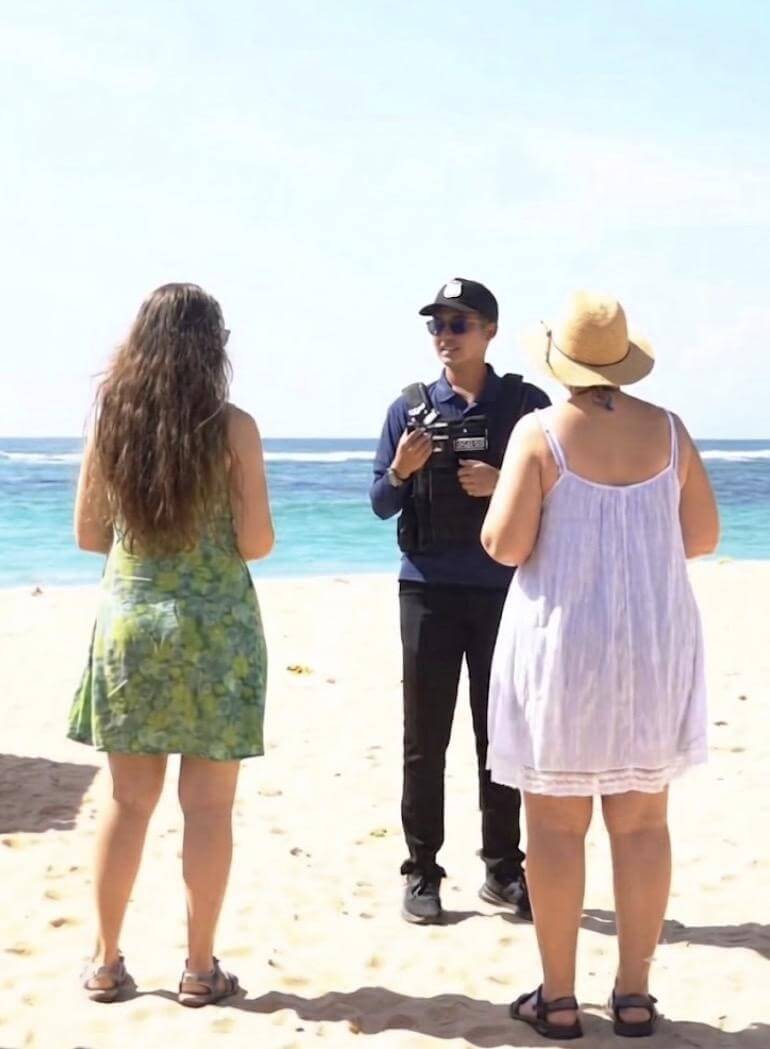
At the heart of the crackdown is the Dharma Dewata Immigration Patrol Task Force, which is taking a far more hands-on approach to immigration checks across the island. Rather than waiting for complaints or reports, officers are now carrying out regular patrols in some of Bali’s busiest hotspots. Areas such as Canggu, known for its thriving digital nomad community, have become key locations for random inspections to ensure foreign visitors are using the correct visa for the activities they’re carrying out. The checks aren’t limited to one or two places either. Immigration officers are visiting co-working spaces, cafés where people work remotely, beaches, tourist attractions, popular accommodation areas, and other community spaces where foreigners regularly gather. Authorities have also confirmed that social media can play a role in investigations, meaning posts promoting commercial activities may be reviewed if there’s reason to believe someone’s visa conditions are being breached.
The operation is mainly targeting visa misuse, overstays, illegal working activities, and fake or fraudulent investment practices. Whilst the increased enforcement has caught plenty of attention, officials have been clear that Bali remains open to tourists, investors, entrepreneurs, and remote workers. The focus isn’t on discouraging visitors- it’s about making sure everyone is using the right visa and following the same immigration rules while enjoying everything the island has to offer.
Could Your Social Media Posts Count as Work?
One of the biggest grey areas for many travellers is content creation. It’s easy to assume that posting holiday photos or filming a few videos for social media is simply part of the travel experience. However, Indonesian immigration law makes a distinction between content shared for personal use and content that provides a commercial benefit. If you’re receiving free accommodation, meals, experiences, or services in exchange for promoting a business online, or creating sponsored content for hotels, cafés, restaurants, or brands, your activities could be considered commercial work rather than just documenting your trip.
What often surprises people is that money doesn’t necessarily have to change hands. A barter arrangement, such as a complimentary villa stay in return for Instagram posts or a video review- can still be treated as commercial activity if you’re not holding the appropriate visa. Immigration authorities may also look at content published after you’ve left Indonesia if it relates to work carried out during your stay. As influencer marketing and digital content continue to grow, the line between travelling and working has become increasingly blurred, making it more important than ever for visitors to understand exactly what their visa allows them to do.
What This Means for Bali’s Business Community
The stricter enforcement isn’t just something for content creators and digital nomads to think about- it could also change the way many tourism businesses approach influencer marketing. For years, it’s been common for villas, cafés, restaurants, wellness retreats, and other hospitality businesses to offer complimentary stays, meals, or experiences in exchange for social media exposure. Whilst these collaborations have become part of Bali’s tourism scene, they’re now likely to face much closer examination.
As a result, many businesses may need to rethink how they work with international creators. That could mean partnering with influencers who hold the appropriate visas or making sure future collaborations fully comply with Indonesian immigration rules. In the long run, the shift could lead to a more transparent and professional approach to influencer marketing- one where businesses and creators alike have a clearer understanding of the rules before working together.
Respect the rules, enjoy the journey
As Bali continues to be one of the world’s most sought-after destinations for holidays, business, and remote work. Whilst the island remains as welcoming as ever, the latest immigration campaign reflects a growing focus on making sure tourism develops in a way that’s responsible, fair, and in line with Indonesian law.
For digital nomads, influencers, entrepreneurs, and tourism businesses, the message is becoming increasingly clear: understanding your visa is no longer something to overlook. Whether you’re working remotely, collaborating with a local business, or creating sponsored content, knowing what your visa allows can help avoid unnecessary problems and ensure your time in Bali is both enjoyable and compliant.
As Bali’s international community continues to grow, so too does the importance of balancing opportunity with responsibility. By respecting local regulations and travelling with the right permissions in place, visitors and businesses alike can continue to contribute to an island that remains one of the world’s most inspiring places to live, work, and explore.