



In many parts of the world, speed is often seen as a competitive advantage. Ideas are developed quickly, decisions are made rapidly, and execution is expected to follow without delay. In fast-moving markets, momentum is frequently equated with success.
But Bali operates differently. Here, timing carries a different meaning. It is not simply about how quickly something can be done, but whether it is being done at the right moment in alignment with people, process, and context.
The Illusion of Speed
For those arriving in Bali with experience from other markets, there can be an initial expectation that progress should follow familiar patterns. Opportunities are identified. Plans are formed. Action begins. Yet what often follows is not acceleration, but pause. Meetings take time. Decisions unfold gradually. Processes extend beyond anticipated timelines.
At first, this can feel like inefficiency. But over time, a different understanding begins to emerge. What appears to be slow is often deliberate.
Timing as Alignment
In Bali, timing is closely connected to alignment.
Alignment with community structures.
Alignment with cultural rhythms.
Alignment with institutional processes.
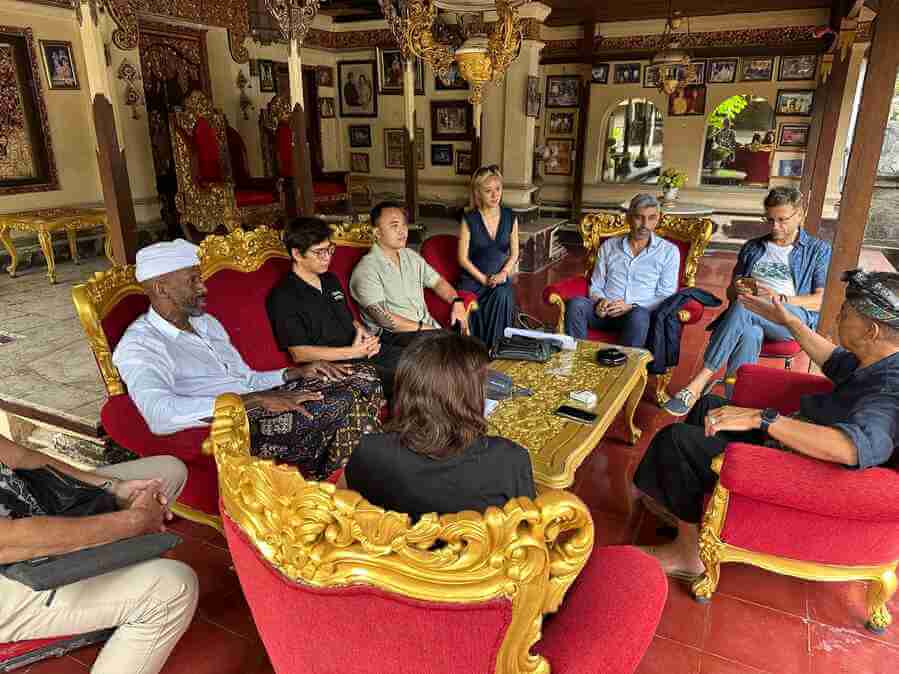
Decisions are rarely made in isolation. They are influenced by relationships, consultation, and a broader awareness of impact. This means that moving too quickly can sometimes create friction. Not because progress is being resisted, but because it is not yet aligned.
The Role of Context
Bali’s social and cultural fabric plays a significant role in how timing is experienced. Ceremonial calendars, community obligations, and shared responsibilities all influence the rhythm of daily life. These elements are not separate from development. They are part of it.
Understanding this context requires a shift in perspective. Progress is not only measured by how fast something moves, but by how well it integrates. When Speed Works Against Progress Projects that prioritize speed over alignment often encounter challenges.
Approvals may take longer than expected.
Partnerships may not fully form.
Community support may remain uncertain.
These challenges are not always immediate. But over time, they tend to surface. In contrast, initiatives that move with awareness of timing often experience a different trajectory. They may begin more slowly, but they build stronger foundations.
Patience as a Strategic Advantage
In Bali, patience is not passive. It is strategic. Taking the time to build relationships, understand context, and engage with stakeholders creates clarity. It allows decisions to be made with greater confidence. It reduces friction later in the process. This does not mean slowing down ambition. It means aligning ambition with reality.
Recognizing the Right Moment
One of the more subtle skills in Bali is learning to recognize when the timing is right. This is not always defined by schedules or deadlines.
It is often signaled through:
- readiness within the community
- clarity in relationships
- alignment across stakeholders
- a sense of momentum that feels natural rather than forced
When these elements come together, progress tends to accelerate organically.
A Different Approach to Growth
Bali offers a different model of development. One where timing is not separate from process, but embedded within it. This approach may feel unfamiliar at first. But it creates a form of resilience. Projects that move with the right timing are more likely to be supported, sustained, and integrated.
Conclusion
Speed has its place. But in Bali, timing matters more. Not because things cannot move quickly, but because they must move in alignment. Understanding this distinction is essential for anyone seeking to build, collaborate, or contribute on the island. Because in Bali, progress is not defined by how fast something happens. It is defined by when it happens and how well it fits within the system around it.

Website: www.robertianbonnick.com
PT Karya Lyfe Group – Gateway To Indonesia
RiB & Associates | SpeakuP Monday – Destination Indonesia #1 Entrepreneurship & Social Impact TalkShow | Tourism Architect – Co Building Legacy
Strategy | Connector | Market Access | Cultural Integration | Business Growth | Private Public Partnerships