




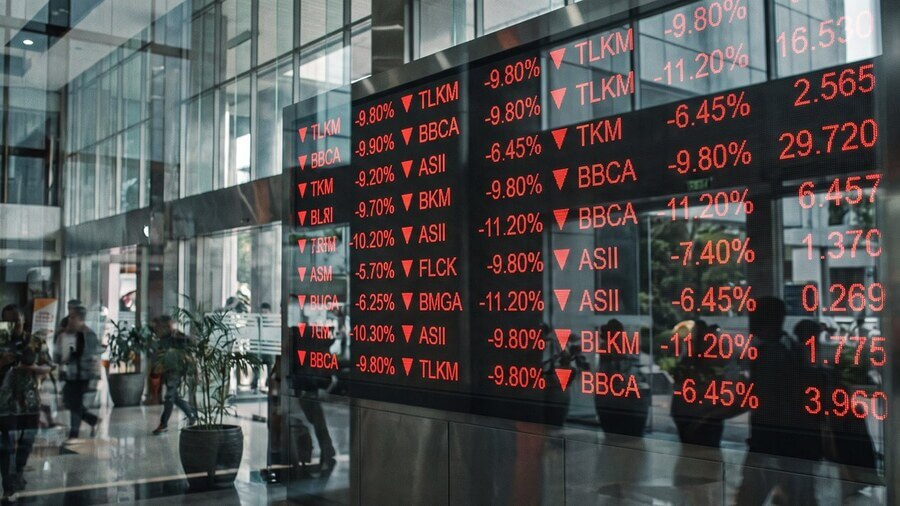
The Jakarta Composite Index lost 11.6% on Friday 16 October, its largest single day fall since January 1998, and the rupiah touched 18,070 to the US dollar. Trading was halted for thirty minutes. By mid afternoon our phones were busy with a single question from buyers in Sydney, Singapore, London and Dubai: does this change anything about buying property in Bali.
The short answer is that it changes less than the headlines suggest, and the parts it does change deserve a careful reading rather than a reflex. This article sets out what happened, who it affects, who it does not, and why we chose this week to formally introduce Fullers Private Office, the division we built for exactly the kind of decision this moment asks of serious buyers.
What Actually Happened
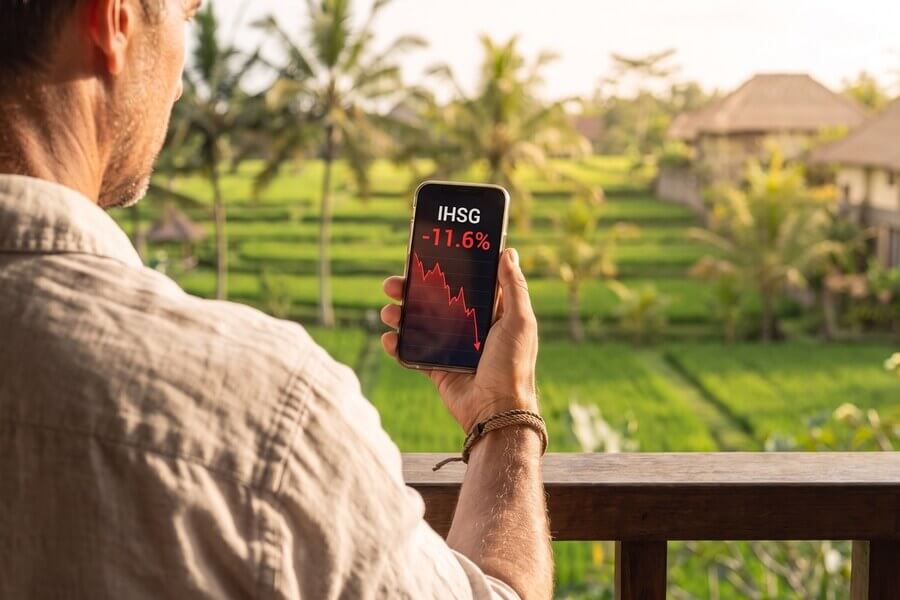
On 15 October MSCI, the index provider whose Emerging Markets index guides trillions of dollars of fund allocations, opened a consultation on reclassifying Indonesia from Emerging Market to Standalone Market status. Its stated concerns are the clarity of shareholding structures, free float levels and trading transparency in listed equities. Feedback runs to April 2027 and a final decision is due by the end of June 2027.
Indonesia had already moved before the announcement. OJK and the Indonesia Stock Exchange raised the minimum free float to 15%, introduced disclosure for shareholders above 1%, and established reporting on concentrated holdings. MSCI acknowledged those reforms and asked for evidence of consistent implementation. Bank Indonesia has spent the year defending the currency with spot and forward intervention and bond purchases. Moody’s and Fitch both affirmed investment grade this year at Baa2 and BBB, with negative outlooks, and S&P holds BBB stable. Growth is running near 5%, roughly double the median for comparably rated economies.
That is a capital markets governance review. It is a serious one, and it will produce loud headlines for eight months. It is not a verdict on Bali land, villas or the people who want to live in them.
Two Kinds of Capital
The equity market and the Bali property market are moved by different money, and that distinction is the whole story.
Funds that track an index are required to sell when the index changes. They have no view on Bali and no choice in the matter. Net foreign equity outflows for 2026 already stand near USD 4.9 billion, and analysts estimate several billion more could follow a reclassification. That is forced capital, and it is forced out of listed shares.
Bali property is held by private buyers, most of them without debt, buying a home, a second home or a long horizon asset. Nobody in that group is obliged to sell on Monday morning. The demand base has also held. BPS Bali recorded 6.95 million direct foreign arrivals in 2025, a record, and 4.59 million for January to August 2026, just 1.62% below the same period a year earlier. August alone brought 685,994 visitors. A weaker rupiah makes the island cheaper for every one of them.
Premium villas in Bali are largely quoted in US dollars. Land and locally owned villas are priced in rupiah, and for those assets the currency has done part of a buyer’s negotiating for them. The rupiah has weakened about 8% against the dollar this year. A buyer holding US, Australian or Singapore dollars, or dirhams, is in a better position on rupiah priced property than at any point since 2022, before a single offer is made.
Who Should Read This Carefully
Not every buyer sits on the same side of this.

Relocating families, second home buyers and retirees with funds in the bank are the least affected group and arguably the best placed. Their decision rests on the home, the lease term and the permit file, not on tourism yield. Leasehold and Hak Pakai routes are unchanged. The same is true of families moving for a school place, who need a home within a school run and decide fast once the place is confirmed.
Long horizon buyers of land or freehold through compliant structures are looking at the most attractive entry pricing in years on rupiah priced assets, and some Indonesian owners who hold Bali property alongside shares will prefer to sell for dollars over the next two quarters. We expect improved price flexibility in that segment, not a fire sale, and we will not describe any seller to a client as distressed.
Buyers whose plan depends on short stay rental income in Canggu or Ubud need to slow down. Those two hubs show supply running ahead of bookings, and provincial enforcement on unlicensed villas is active, with an estimated 16,000 unpermitted properties under review. Licensed, permitted villas benefit from that formalisation. Unlicensed ones do not, whatever the gross yield in the brochure says.
Two groups should wait. Anyone funding a Bali purchase with borrowed money from home, through a redraw or an equity loan, is carrying debt in one currency against an asset in another at a moment when borrowing costs and exchange rates can both move. And anyone who needs a written guarantee on how and when they can take money out of Indonesia should hold until documentation practice settles. We can structure for compliance and documentation. We cannot promise policy, and nobody honest can.
What We Will Not Say
We will not predict what MSCI decides in June, where the rupiah trades in March, or what any regulator does next. Indonesian institutions have acted quickly and credibly this year and deserve to be described that way. What we can do is verify title, zoning, permits and ownership routes, record source of funds properly at the start, and tell a buyer plainly when the right answer is to wait. That discipline is worth more in a loud market than a quiet one.
Introducing Fullers Private Office
Over the past year the enquiries that tested us most did not come from individual villa buyers. They came from family offices, investment principals and executives abroad with several connected property decisions, a brief that kept changing, and a team of lawyers, tax advisers and assistants who each needed a different piece of the picture. Those mandates do not fit a tiered advisory package. They need a single local point of coordination and senior judgement at the decision points.
Fullers Private Office is our answer. It is the bespoke property advisory and buyer representation service of Fullers Properties for private clients, family offices and their advisers, covering family homes, land acquisitions and connected property mandates. Every engagement is scoped individually: the mandate, reporting, deliverables, duration and fees are agreed in writing around the client’s objectives, and existing advisers remain part of the process. Our senior consultants lead the search, assessment, viewings and day to day coordination. I provide strategic oversight at agreed milestones. Independent lawyers, tax advisers and notaries do the work that belongs to them.
The timing is deliberate. Over the next two quarters we expect estates, resorts and landmark sites to reach the market as some owners raise liquidity, and the buyer pool for those properties is small, international and patient. That is the window Private Office was built to open into. It is also where macro questions from our wider client base now go, so that every Fullers consultant gives the same calm, factual answer rather than an improvised one.
More to Come
The figures above are from public sources as of 16 October. What they do not yet show is how transactions behave, and that is the number that matters. Asking price indices from mid year already reported villas changing hands 8 to 12% below asking in the main hubs. We are waiting on closing price data from REID, Bali’s independent property intelligence platform, and will publish a fuller area by area reading in this column once it arrives, including where redirected rental income buyers should be looking and what near completion developer stock is actually worth today.
Until then, the guidance is simple. Lead with your own situation: the currency you hold, how long you intend to keep the asset, and what you will use it for. Let that decide whether now is right for you, and verify everything before you trust anything.
That is the CLEAR Buyer Method in one paragraph: Calibrate, Locate, Examine, Acquire, Root. Buying in Bali should feel exciting, not uncertain, and this is a week in which the difference between the two is made entirely by the quality of the verification behind the decision. We will keep reporting on what the data says, and if you would like to be kept up to date as the analysis lands, Fullers Properties is a conversation away.