



Bali’s growth is often viewed through visible change. New businesses, evolving infrastructure, increasing international presence, and a steady flow of ideas all contribute to the island’s ongoing transformation. From the outside, this movement can appear open and accessible as though opportunity flows freely to those ready to act. But beneath the surface, Bali operates through a more structured and considered system. One shaped not only by policy and process, but by people.
Beyond Open Access
For many arriving in Bali, there can be an assumption that progress follows a familiar pattern with identify an opportunity, move quickly, and execute independently.
In practice, Bali functions differently.
While opportunities do exist, their realization often depends on how well they align with the existing cultural, social, and institutional fabric of the island.
This is where a less visible but essential group plays a role.
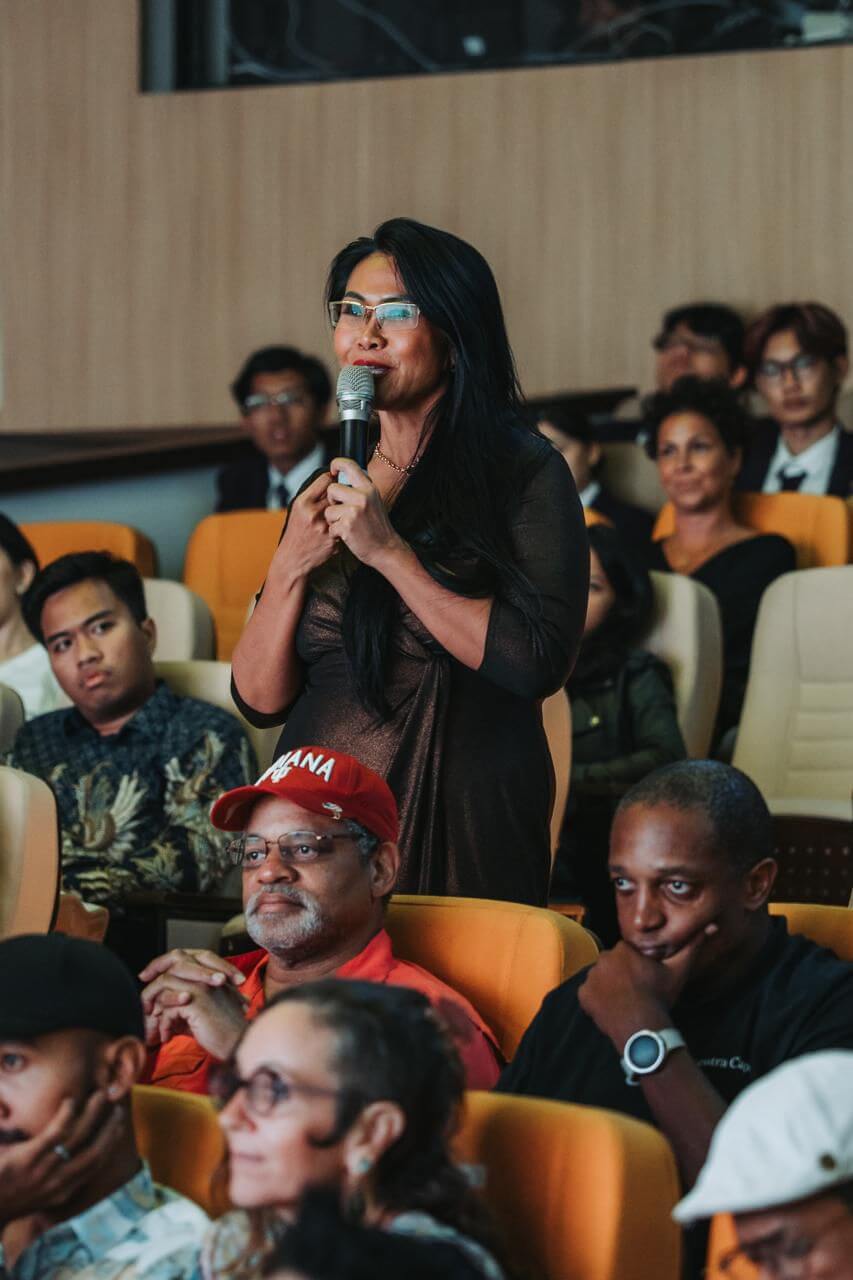
Gatekeepers and cultural custodians.
Understanding Their Role
The term “gatekeeper” can sometimes be misunderstood.
It may suggest restriction or limitation but, In Bali, it reflects something else entirely.
Guidance.
Cultural custodians and community leaders serve as stewards of continuity. They carry responsibility not only for the present, but for preserving the values, traditions, and structures that have shaped Bali over generations.
Their role is not to block progress.
It is to ensure that progress remains aligned… They help interpret context, provide direction, and maintain balance between development and preservation.
A System of Stewardship
Bali’s social structure is deeply interconnected.
Community life, ceremonial practice, land use, and development decisions are often linked through layers of relationships and shared responsibility.
Within this system, custodians play a vital role. They act as:
• guardians of cultural integrity
• connectors between local and external stakeholders
• interpreters of community priorities
• guides through complex social and institutional dynamics
Their presence helps ensure that development does not occur in isolation from the communities it affects.
When the System Is Misunderstood
Challenges often arise when this structure is overlooked.
Projects may be developed with strong intentions, clear funding, and well-defined plans.
Yet without engagement with the appropriate custodians or community networks, they can encounter delays, misalignment, or resistance.
This is not a reflection of opposition to progress.
It is a reflection of a system designed to protect balance.
Attempts to move quickly without understanding this structure can lead to unnecessary friction.
In contrast, those who take the time to engage, listen, and align often find that pathways begin to open more naturally.
Working With, Not Around
A consistent pattern can be observed across successful initiatives in Bali.
They are not built independently of the system.
They are built in collaboration with it.
This collaboration is not transactional.
It is relational.
It involves:
• taking time to understand context
• building genuine connections
• respecting local knowledge and leadership
• aligning intentions with community and cultural values

In doing so, development becomes more integrated and more sustainable.
Respect as a Foundation
At the heart of this dynamic is respect.
Respect for culture.
Respect for process.
Respect for the individuals and communities who hold responsibility for maintaining balance.
This respect is not symbolic.
It is practical.
It shapes how conversations are held, how decisions are made, and how partnerships are formed and it influences not only whether a project proceeds, but how it is received.
A More Thoughtful Approach to Growth
As Bali continues to evolve, the role of custodians and local leadership remains central.
Growth is not being resisted… It is being guided.
This distinction is important.
It reflects a broader intention to ensure that Bali’s development remains consistent with the values that define it.
For international participants, this presents both a responsibility and an opportunity.
An opportunity to engage in a way that is more thoughtful, more collaborative, and more aligned.
Conclusion
Bali’s development is not driven solely by ideas, capital, or demand.

It is shaped by relationships, guided by culture, and supported by those who carry responsibility for its continuity.
Gatekeepers and cultural custodians are not barriers to progress.
They are essential to it.
They ensure that growth does not come at the expense of identity.
And in doing so, they help preserve what makes Bali not only attractive, but enduring.
Website: www.robertianbonnick.com
PT Karya Lyfe Group – Gateway To Indonesia
RiB & Associates | SpeakuP Monday – Destination Indonesia #1 Entrepreneurship & Social Impact TalkShow | Tourism Architect – Co Building Legacy
Strategy | Connector | Market Access | Cultural Integration | Business Growth | Private Public Partnerships