



If you go out for an afternoon or evening ride in Bali, you will notice that many hoards of street kids shaking their bracelets towards you. These desperate children’s faces can be overwhelming. They start working from the age of five and are commonly ‘belonging to a boss who takes a major part of the money and gives them a fraction of the ‘take’ to their parents in the village. If anyhow child is not able to get enough money, they are not allowed to come to the ‘home’ and physical violence against them is quite common. These children have no skills or schooling and live in a very difficult, painful situation. Dirty clothing, hunger, thirst are very much common for them. They work for long hours on street corners in the sun selling bracelets, walking the streets or just begging. They mix with prostitutes and foreigners around bars and discotheques at late at night. When the kids become older and not looking ‘cute enough’ to get tourist money, they search for any new possible way to make money.
Exploitation
Bali maintains its glamorous status as one of the globally favourite tourist destinations, but the unexpected truth is that thousands of Bali people live in extreme poverty. In any developing country there’s begging, but in Indonesia, adults exploit their children in multiple ways – one of the commonest ways is by pimping them out to beg on the roads. Balian kids are quite good at English and so it’s easy for tourists to give them a few dollars but when you give money to a child begging or selling on the street, that money goes to someone else: They handover your donation to their so-called ‘bosses’, an adult who typically does not work and treats them badly. Inadvertently, tourists encourage this sad life to continue with their donations; and in future for younger girls, this may develop into working for the sex trade.
Shelter and Home
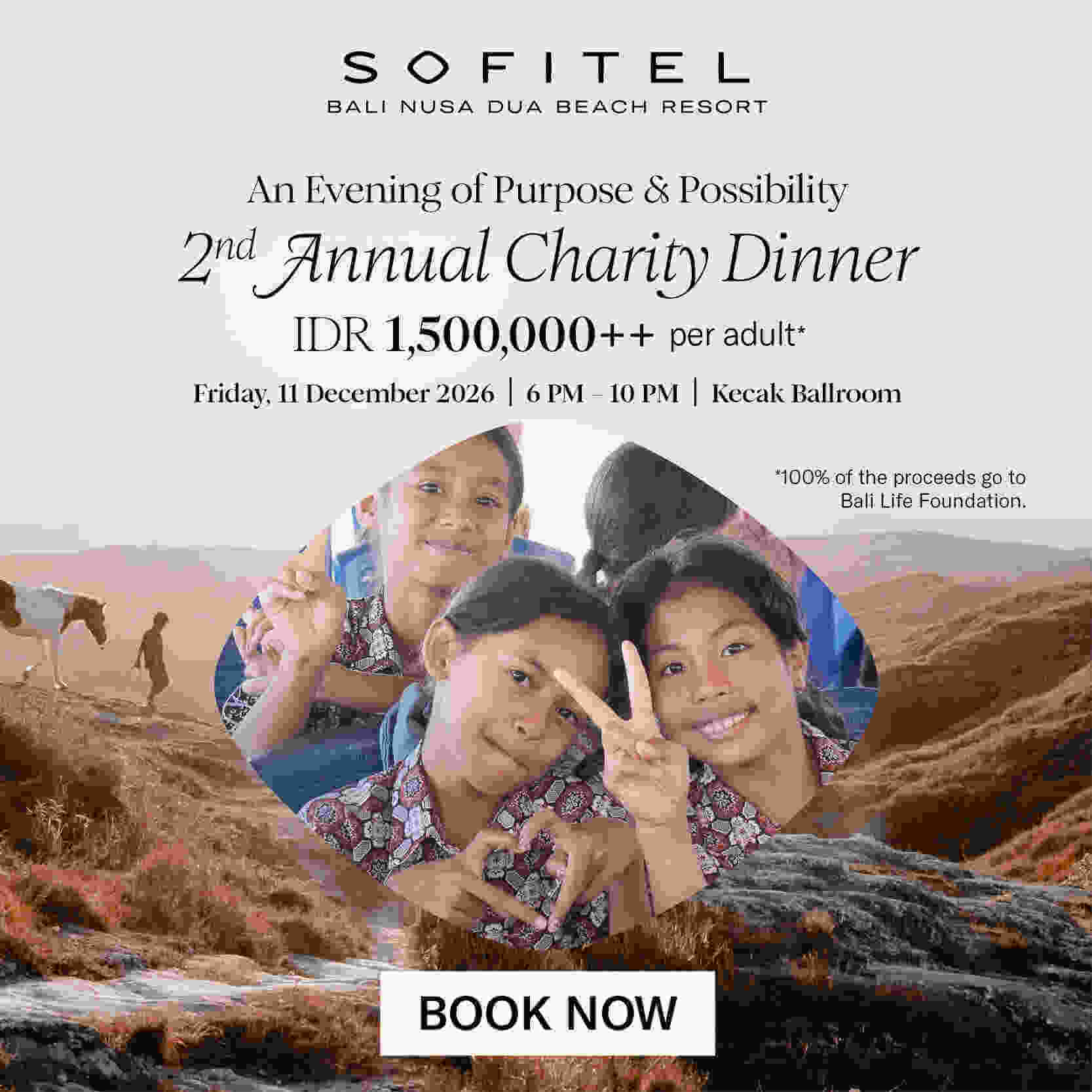
A social foundation like the YPKA provides a shelter where ill and tired children can come and live free from abuse in a supportive environment, learning to trust the care provided by adults for them. At YPKA they get clean clothes, good hygiene and nutritious meals. Majority of these children have had no schooling, so YKPA provides classes and tutoring and their education. These children have learned to live without any health facilities, dental care, adequate food and caring from an adult.

Where Do They Come From
Mostly all of the children come from several villages in the East. Most of these villages are situated on the side of an active volcano, which was erupted in 1967. There are approximately 5,000 people in each village, spread over great distances with very bad quality of roads. A whole family sleeps in one small room. Most of the kids eat rice; they are thin, dirty and wear no shoes. Local villagers will tell you their stories about the lack of work here because farming and agriculture can be almost futile due to the extreme absence of water for nearly half a year. But there are opportunities for those who want them, and some parents do move towards the cities in favour of employment. The people in Bali have created a subculture characterized by getting married around the age of 14, and having many babies, when they are grown enough, sending children to the nearby cities to work as street kids or beggars. It’s also important to note, that there are many poor families all around Bali who would never ever send their children to the city for begging.
Solution
You cannot just take children off the streets without addressing some of the bigger issues, like needing the consent of their parents. The parents are unlikely to give consent unless you assure their family income will not be hampered. Only then will the families consent to their children staying in Denpasar, attending schools and being well cared for. One way to get support from the parents is to make sure they earn the same amount of earning as working the streets by creating handicrafts, part-time after school. This income can amount to more than a massage job in Kuta.