



Everywhere has something.
Nowhere has everything.
And perhaps that is the quiet wisdom that leads people to places like Bali.
For many of us who choose to live and work here, the decision is rarely transactional. It is values-based. Bali offers culture, community, creativity, family-friendliness, nature, and space to grow as a person. It also offers challenges, waste, infrastructure pressure, regulatory complexity, and the realities of a fast-evolving island economy.

What determines whether those challenges divide or unite us is not funding, policy, or ambition alone. It is how development is approached.
In Bali, development has never been just about buildings or capital. It has always been about people. Villages, families, banjar, relationships, and shared responsibility form the social fabric through which progress is either accepted, resisted, or quietly reshaped.
Over time, one truth becomes clear:
When development is imposed, it struggles. When it is co-created, it endures.
Across Indonesia, the principle of Gotong Royong; the community coming together to solve challenges faced by the community is not a slogan. It is a lived system. It explains why top-down solutions, however well-intentioned or well-funded, often fail to gain traction, while modest, community-driven initiatives quietly succeed.
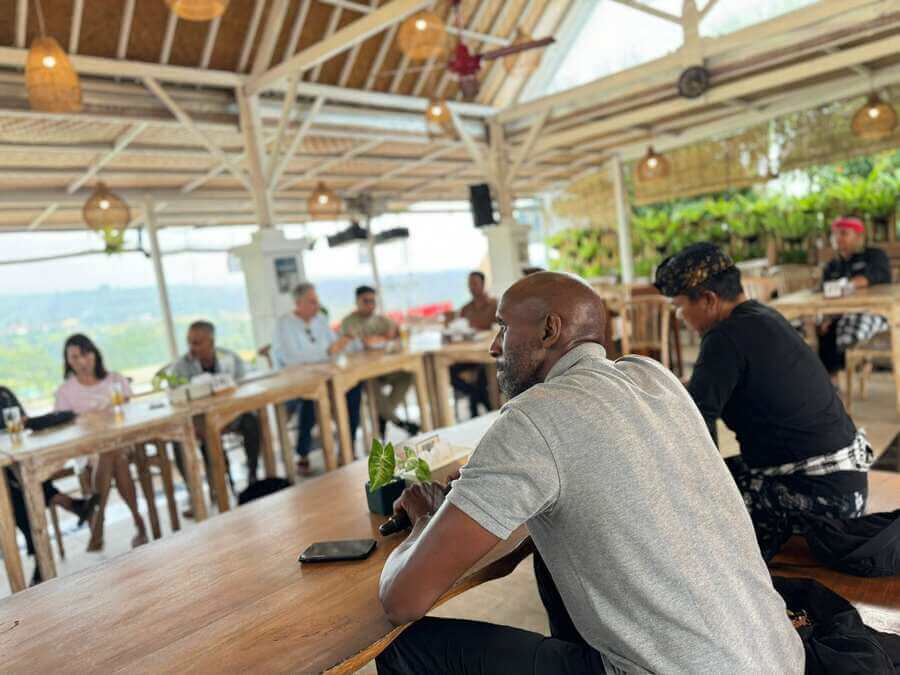
Community-led development works because it starts with listening. It recognises that local knowledge is not an obstacle to progress, but a blueprint for it. When villagers, local leaders, entrepreneurs, and institutions are invited into the design process early, solutions become grounded, realistic, and resilient – though it may take longer to get there.
This is increasingly visible across Bali. From village-based tourism models to cooperative waste initiatives and education programs shaped jointly by parents and teachers, progress accelerates when locals are architects rather than spectators.
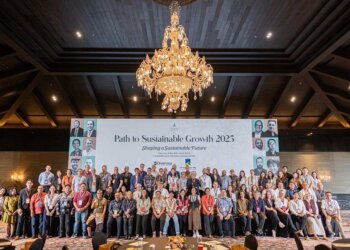
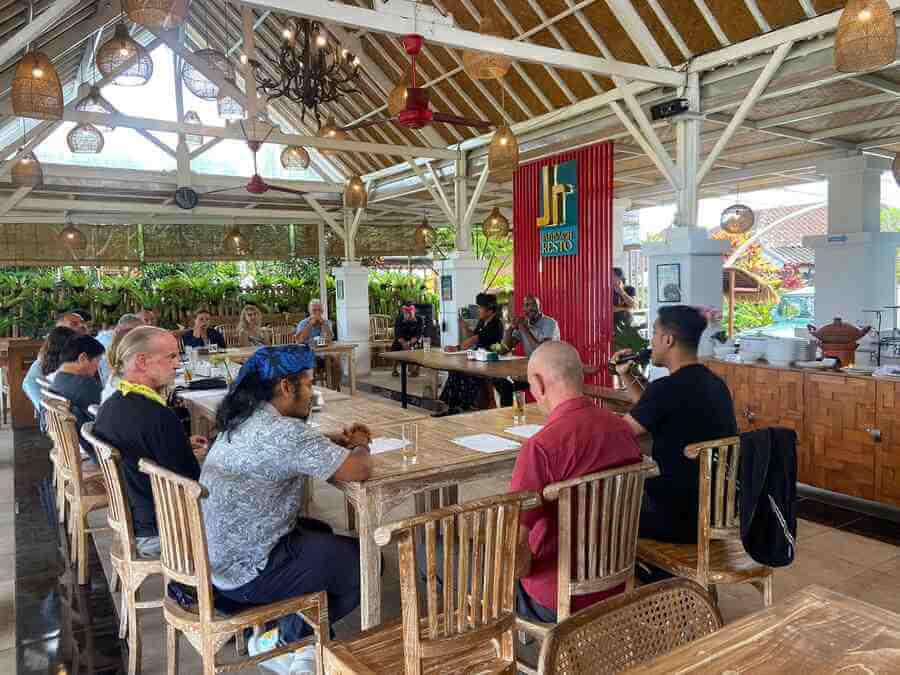
One practical example at a regional level is the Tabanan Community WA, https://chat.whatsapp.com/HH1laXlhbY3GaBrXPa3hoZ which brings together more than 300 Indonesian and expatriate stakeholders across public and private sectors. Rather than positioning itself as an authority, it operates as a connective platform allowing conversations to emerge, collaborations to form, and practical outcomes to be shaped locally. Its value lies not in control, but in trust.
Community-led development also reduces friction. When people feel seen and involved, resistance softens. Misunderstandings become conversations. Problems become shared responsibilities. This is particularly important in Bali, where land, culture, and identity are deeply intertwined.
For businesses and investors, the lesson is simple but often overlooked:
Success in Bali is relational before it is transactional.
Long-term outcomes depend less on speed and more on alignment. Those willing to engage communities early, transparently, and respectfully often find pathways that others never see. Those who bypass this step frequently encounter delays, opposition, or breakdowns later at far greater cost.
Community-led development may feel slower at the beginning, but it moves faster over time. It creates ownership rather than dependency. Pride rather than compliance. And outcomes that survive leadership changes, market cycles, and shifting regulations.
Bali’s future will not be built by imposing solutions from the outside.
It will be built by empowering communities to shape their own path forward together.

And in an island defined by culture, cooperation, and collective wisdom, that may be the most sustainable form of progress there is.
Website: www.robertianbonnick.com
PT Karya Lyfe Group – Gateway To Indonesia
RiB & Associates | SpeakuP Monday – Destination Indonesia #1 Entrepreneurship & Social Impact TalkShow | Tourism Architect – Co Building Legacy
Strategy | Connector | Market Access | Cultural Integration | Business Growth | Private Public Partnerships
CLICK HERE TO SEE ALL INSPIRING ARTICLES BY ROBERT IAN BONNICK